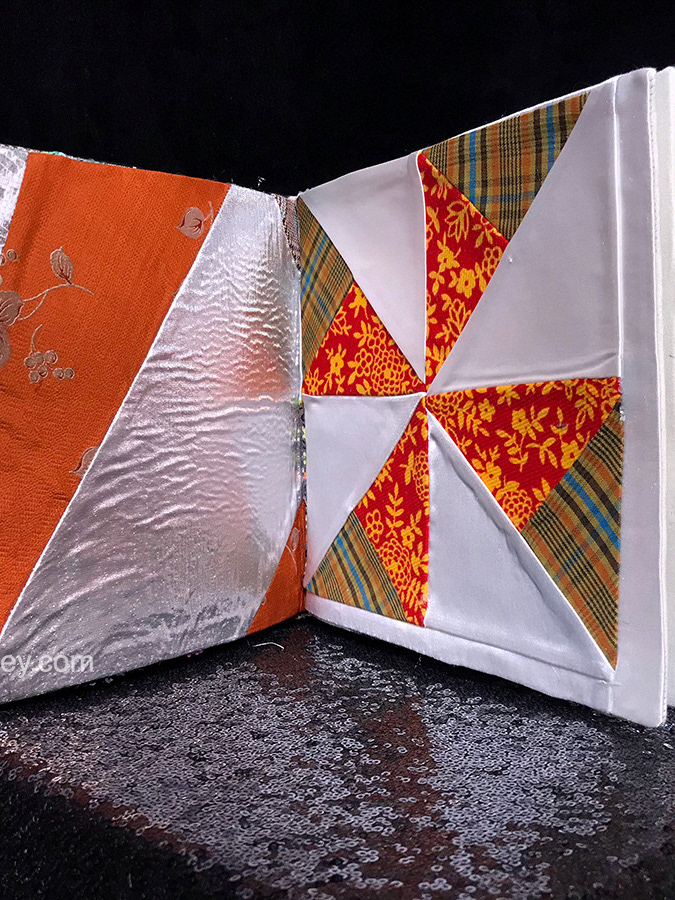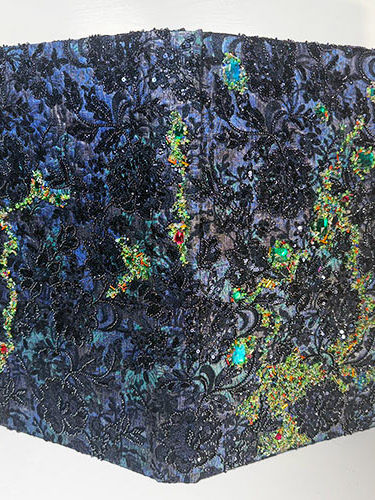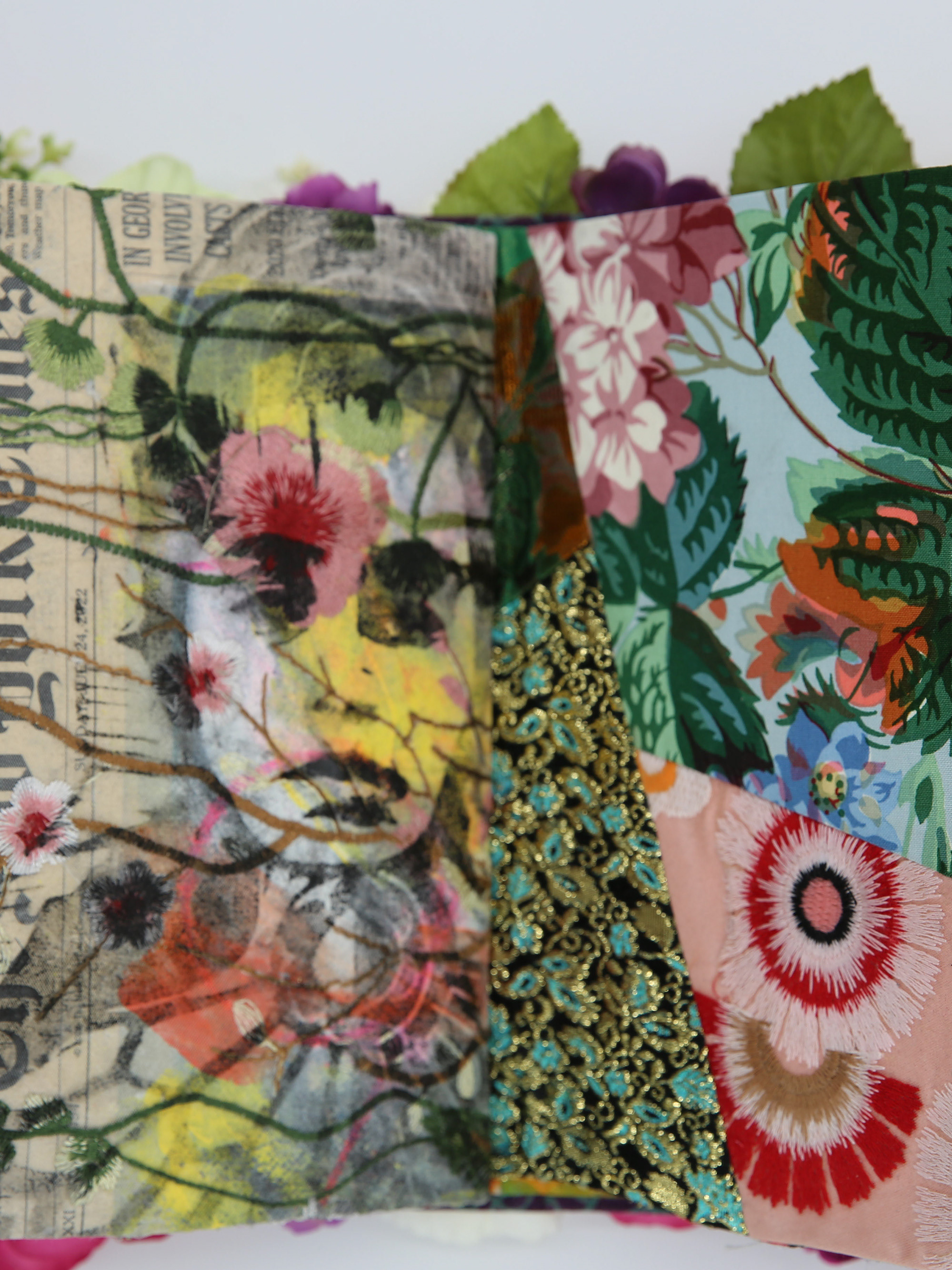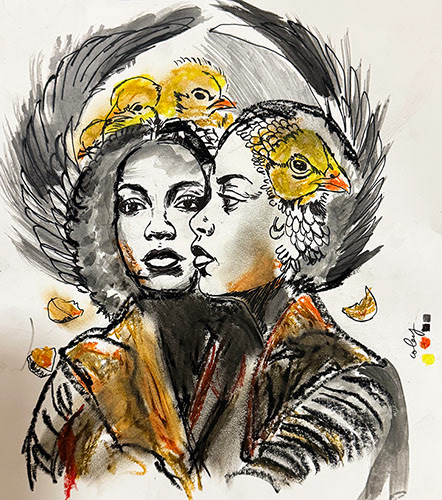
Catch Thy Hope, Ink, oil pastels and watercolor on paper, 2026. 12 x 12 inches. Suzanne Coley
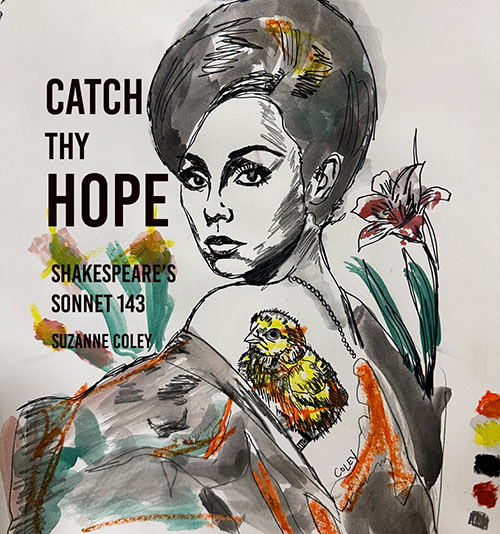
Shakespeare's Sonnet 143, 2026. Ink, oil pastels and watercolor on paper. 12 x 12 inches. Suzanne Coley.
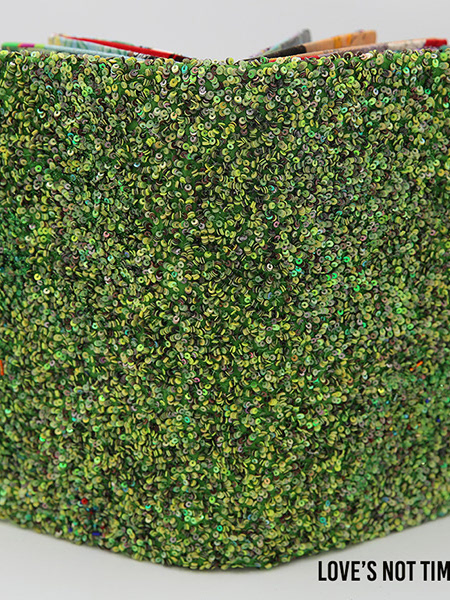
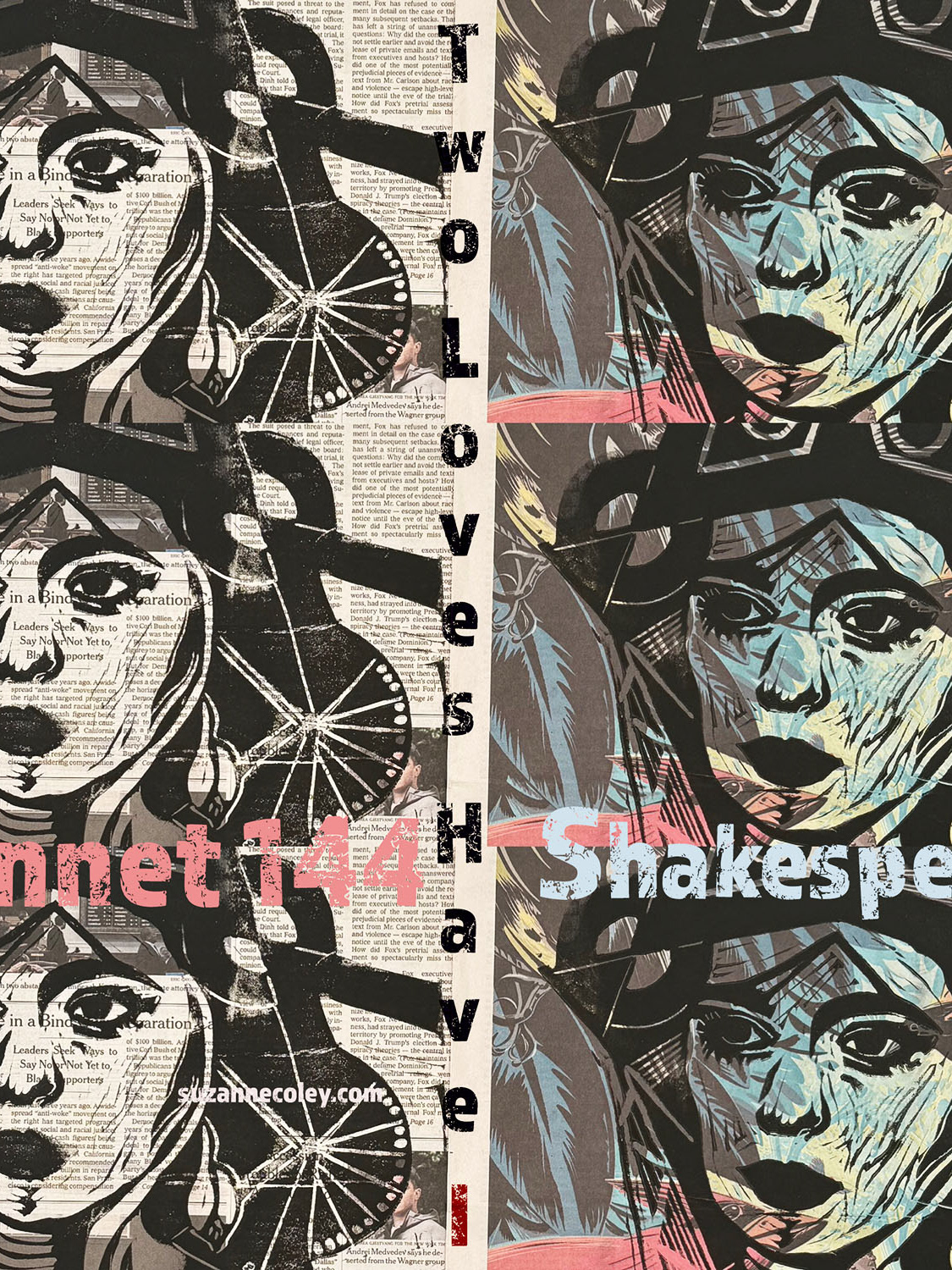
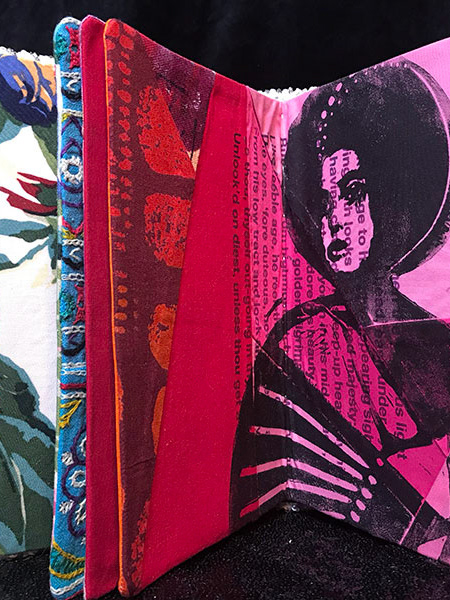
52 Weeks of Shakespeare’s Sonnets (Nov 2025–Nov 2026) is an ongoing series of artworks and essays translating Shakespeare’s sonnets into material form. Each week, a single sonnet is examined through Material Excavation, where textile, printmaking, and bookbinding function as methods of analysis. The series develops a cumulative, practice-based reading of the sonnets over time.
Writing and research are published on Coded Threads on Substack.

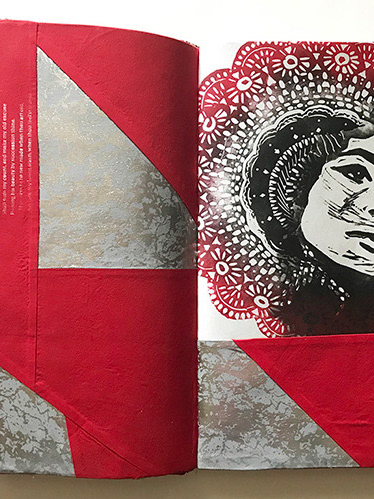
Life's Composition for Sonnet 45, 2026, Linocut on textile, Suzanne Coley.
How does love move between two people?
How does desire cross distance?
I tried to make the imagery more closely resemble an electromagnetic wave....
Full post on Coded Threads on Substack

Violet, Purple, and the Puzzle of Sonnet 99, 2018. Linocut on paper, Suzanne Coley.
Violet, Purple, and the Puzzle of Sonnet 99
Shakespeare is the master of riddles, and Sonnet 99 is one of his strangest puzzles. Unlike the traditional 14-line sonnet, this one has 15 lines and begins with a quintain, a quiet announcement that something unconventional is unfolding.
This poem begins and drips with color. Shakespeare first invokes violet, a spectral color at the edge of visible light. Then he quickly shifts to purple, which in medieval and Renaissance England was not simply a color but a symbol of wealth, power, and exclusivity. Purple dye was rare, expensive and reserved for the elite.
To read more visit Coded Threads on Substack.
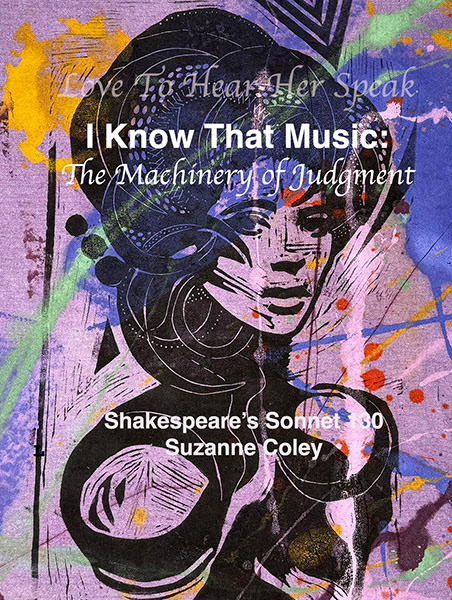
I Know That Music: The Machinery of Judgment
Shakespeare's Sonnet 130: Week 17
Sonnet 130 is often remembered for what it refuses: the polished lie, the exaggerated compliment, the fantasy of perfect beauty. What keeps pulling me back to it, though, is something deeper. Shakespeare is not simply describing a woman. He is exposing the machinery of judgment itself.
This week, while working on Sonnet 130, I found myself thinking less about whether Shakespeare is merely describing his mistress and more about how he uses description to expose the standards by which beauty is judged...
To read the full post, please visit Coded Threads on Substack.
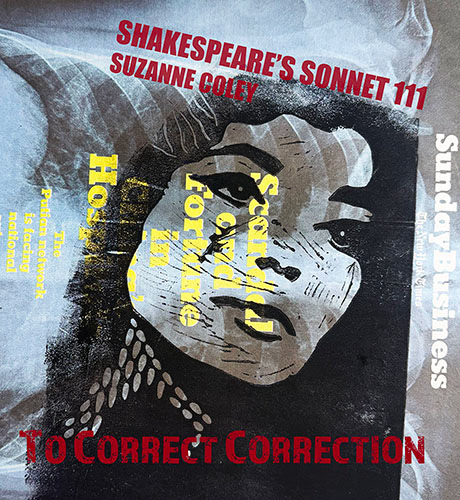
To Correct Correction: Sonnet 111
“O for my sake do you with Fortune chide…”
“O for my sake do you with Fortune chide…”
Sonnet 111 does not announce its brilliance immediately. Its language feels ceremonious, while its tone is more reflective than overtly introspective. Beneath this surface lies a structure that invites a diagnostic reading, concerned less with confession than with attribution, deflection, and the public formation of the self.
For my visual response to this poem ...
To read more visit Coded Threads on Substack.

Truth So Foul a Lie: Sonnet 152
52 Weeks of Shakespeare’s Sonnets, Week 22
For this week’s entry in my 52 Weeks of Shakespeare’s Sonnets series, I read Sonnet 152 through a contemporary lens. The poem is often understood as an intimate, toxic exchange between two lovers. Alongside that reading, I ask what happens if we allow the sonnet’s language to operate at a different scale, if we were to open the bedroom door.
What emerges...
To read full post, visit Coded Threads on Substack.